
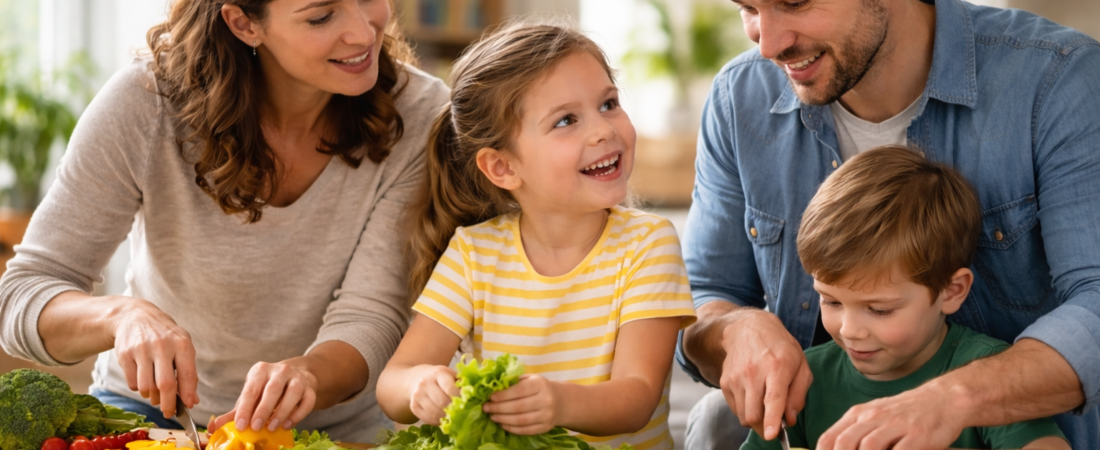
Helping children become more independent is one of the most valuable parts of parenting and caregiving. Independence does not mean leaving children to handle everything alone. It means giving them safe opportunities to try, make choices, solve small problems, and participate in daily life according to their age and abilities.
Many adults want children to become confident and responsible, but everyday routines can make this difficult. It is often faster to tie the shoes, pack the backpack, clean the toys, choose the clothes, and answer every question immediately. However, when adults do everything for children, children may miss chances to practice important life skills.
Encouraging independence is a gradual process. It works best when children feel supported, not pressured. With patience, clear expectations, and simple daily habits, parents and caregivers can help children believe, “I can try,” “I can help,” and “I can learn.”
Start With Small Choices
One of the easiest ways to encourage independence is to offer small choices throughout the day. Children feel more capable when they have some control over their own routine.
For younger children, choices should be limited and simple. You might ask, “Do you want the red shirt or the blue shirt?” or “Do you want to brush your teeth before or after putting on pajamas?” Both options are acceptable, but the child gets to participate in the decision.
Older children can handle broader choices, such as deciding the order of homework tasks, choosing a weekend activity from a short list, or planning how to organize their school materials.
Choices teach decision-making. They also reduce power struggles because the child feels included rather than simply commanded. The adult still provides structure, but the child gets room to practice independence.
Let Children Do What They Can
Children often want to help before they are fully skilled. A young child may want to pour water, fold clothes, sweep the floor, or prepare a snack. The result may not be perfect, but the practice matters.
When adults allow children to do what they can, children develop confidence. They learn that effort is welcome, even when they are still learning. This confidence can motivate them to keep trying.
Start by noticing tasks your child already shows interest in. If they want to help set the table, give them safe items to carry. If they want to dress themselves, allow extra time so they can practice. If they want to clean, give them a simple cloth and a small area.
The goal is not perfection. The goal is participation. Children build independence through doing, not only through watching.
Create a Child-Friendly Environment
Independence becomes easier when the home is organized in a way children can use. If everything is out of reach, too complicated, or constantly changing places, children will depend more on adults.
Simple changes can help. Place everyday items where children can access them safely. Use low hooks for bags or jackets. Keep toys in easy-to-open baskets. Put cups, napkins, or school supplies in predictable places.
For younger children, picture labels can help them know where things belong. For older children, clear shelves or simple storage systems may be enough.
A child-friendly environment sends an important message: “This space is for you too, and you can take care of some things here.” When children can reach and organize their belongings, they are more likely to use them responsibly.
Teach One Skill at a Time
Independence can feel overwhelming when children are expected to learn too many things at once. A better approach is to teach one skill at a time.
For example, if you want a child to get ready in the morning more independently, begin with one step. Maybe the first goal is choosing clothes the night before. Once that becomes easier, the next goal can be getting dressed before breakfast. Later, the child can learn to check their backpack.
Breaking skills into smaller steps makes success more likely. It also gives the child a clear path forward.
Adults can use the “show, help, watch” method. First, show the child how to do the task. Then, do it together. Finally, watch while the child tries alone. This gradual support builds confidence without rushing the process.
Use Routines to Support Independence
Children become more independent when routines are predictable. If the same tasks happen in the same order each day, children begin to remember what comes next.
A morning routine might include getting dressed, eating breakfast, brushing teeth, putting shoes on, and taking the backpack. An evening routine might include putting toys away, choosing clothes for tomorrow, washing up, reading, and going to bed.
A visual checklist can be very useful. Younger children may use drawings. Older children may use written lists. Instead of repeating instructions many times, adults can say, “Check your routine.”
This helps children feel responsible for the process. It also reduces tension because the routine becomes the guide, not constant adult reminders.
Allow Extra Time for Practice
Independence often takes longer at first. A child learning to button a shirt, organize a bag, or clean up toys may move slowly. This can be difficult when adults are busy.
Whenever possible, create practice time when the family is not rushed. For example, let children practice putting on shoes during a calm afternoon instead of five minutes before leaving the house. Let them help with simple cooking tasks on a relaxed weekend rather than during a busy dinner rush.
Extra time allows children to try without feeling pressured. It also helps adults stay patient.
When families are in a hurry, it is okay for adults to help more. But when there is time, let children practice. Independence grows through repeated opportunities.
Encourage Problem-Solving
When children face small difficulties, adults often step in immediately. But simple problems can be great opportunities for independence.
If a child cannot find a toy, instead of finding it right away, ask, “Where did you use it last?” If they are struggling to build something, ask, “What could you try next?” If they forget a step in the routine, ask, “What comes after brushing your teeth?”
These questions guide the child without taking over. They teach children to pause, think, and try a solution.
Of course, children still need help with problems that are too big, unsafe, or emotionally overwhelming. But for everyday challenges, problem-solving practice helps them become more confident and resourceful.
Praise Effort, Not Only Results
Children need encouragement when they are learning independence. The most helpful praise focuses on effort, persistence, and progress.
Instead of saying only, “You are so independent,” try saying, “You kept trying until your shoes were on,” or “You remembered to put your lunchbox by the door.” Specific praise helps children understand what they did well.
It is also important to notice small improvements. A child may not complete the whole task perfectly, but maybe they did one step better than yesterday. That deserves recognition.
When children feel proud of their effort, they are more likely to try again. Independence grows when children believe their practice matters.
Avoid Criticizing Imperfect Attempts
If a child tries to do something alone and receives criticism, they may stop trying. Adults may not mean to discourage them, but comments like “That is not how you do it” or “You made a mess” can make children feel incapable.
Instead, respond with guidance. You might say, “You poured the water by yourself. Some spilled, so let’s wipe it together,” or “You folded the shirt your own way. Let me show you a trick that makes it easier.”
This approach respects the effort while still teaching the skill.
Children are more willing to learn when they do not feel embarrassed. Mistakes are part of independence. A supportive response helps children see mistakes as normal.
Give Real Responsibilities
Children feel more independent when they have meaningful roles in the family. Responsibilities should be age-appropriate, but they should also feel real.
A child can help care for shared spaces, organize personal items, set the table, water plants, put books away, or help prepare for family activities. These responsibilities teach that every person contributes to the home.
Try not to present every task as a favor to adults. Instead, talk about teamwork. “In our family, everyone helps take care of our home” is more powerful than “Help me because I asked you to.”
When children understand that they are part of a team, responsibility feels connected to belonging.
Let Children Experience Safe Consequences
Independence includes learning from choices. Safe, natural consequences can teach children more than repeated warnings.
If a child forgets to put a toy away, they may need to look for it later. If they do not place school materials in the right spot, they may spend extra time organizing them before leaving. If they leave a jacket on the floor, they can be responsible for hanging it up.
The consequence should be respectful and connected to the action. It should not be used to shame or scare the child.
Afterward, help the child think about next time. Ask, “What could make this easier tomorrow?” This turns the experience into learning.
Respect Their Growing Voice
As children grow, independence includes having opinions, preferences, and ideas. Adults do not need to agree with every request, but listening matters.
A child may have a preferred hairstyle, clothing style, hobby, or way of organizing personal items. When the choice is safe and reasonable, allowing some freedom helps children develop identity and confidence.
For older children, involve them in planning routines and responsibilities. Ask what helps them stay organized or what part of the day feels hardest. Their answers may reveal useful solutions.
Respecting a child’s voice does not remove adult authority. It creates cooperation. Children are more likely to follow routines they helped shape.
Build Independence With Patience
Encouraging children’s independence is not about rushing them to grow up. It is about helping them become capable step by step. Children still need love, guidance, comfort, and boundaries. Independence works best when it grows inside a secure relationship.
Start with small choices, simple responsibilities, and daily routines. Let children try what they can, even when it takes longer. Praise effort, teach gently, and allow safe learning experiences.
Some days children will want to do everything alone. Other days they will need more help. That is normal. Independence is not a straight line. It develops through practice, encouragement, and trust.
When parents and caregivers support independence with patience, children learn more than practical skills. They learn confidence. They learn responsibility. Most importantly, they learn that growing is something they can do with support, one small step at a time.