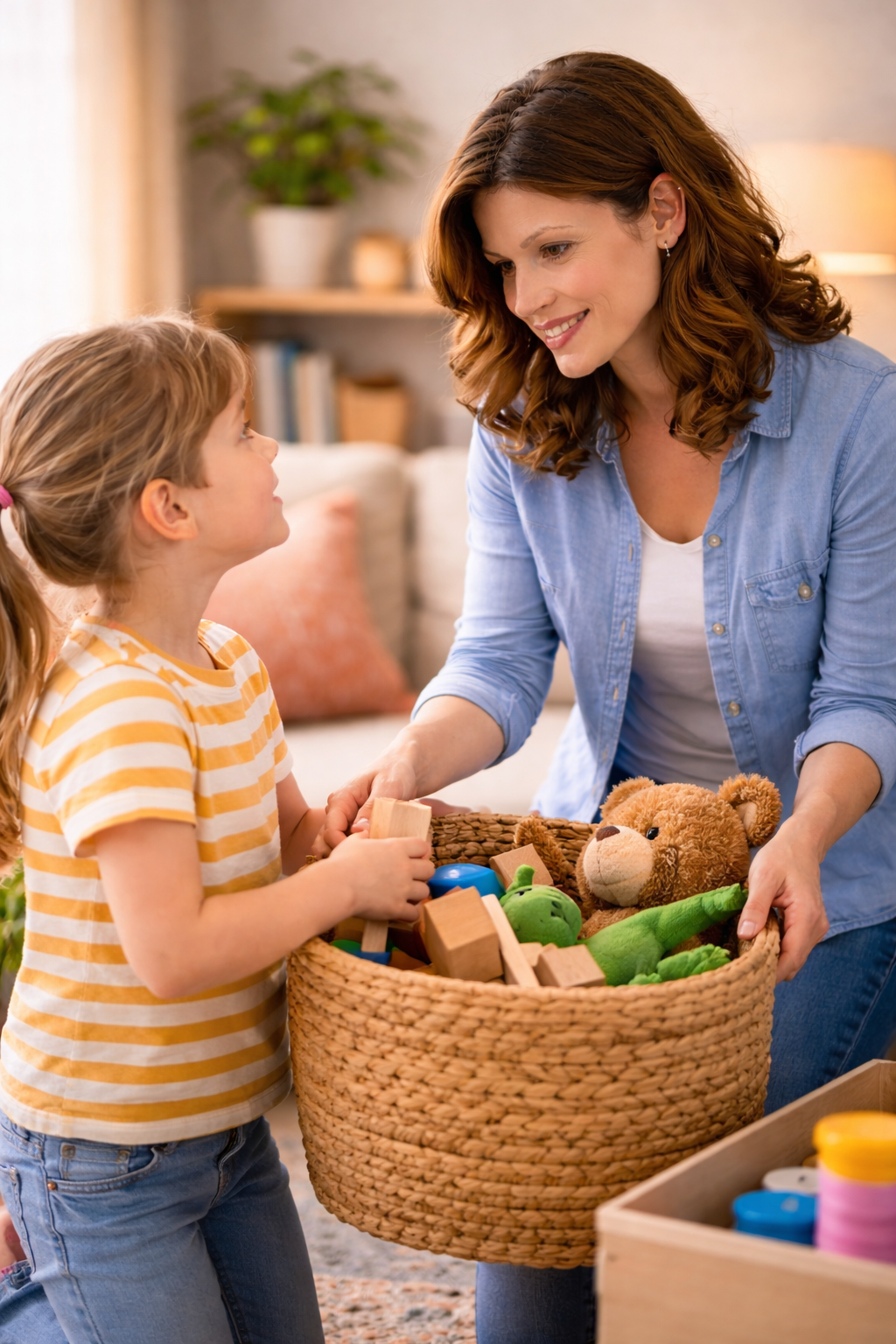
Respect is one of the most important values children carry into adulthood. It shapes how they treat others, how they communicate, and how they see themselves. Contrary to what many people think, respect is not learned through fear, strictness, or obedience. It is learned through daily interactions, modeling, and consistent guidance.
Children don’t learn respect from lectures — they learn it from how they are treated and how adults handle everyday situations. This article shares practical, non-medical ways to teach children respect naturally, calmly, and effectively through daily life.
What Respect Really Means for Children
For children, respect is not about perfect manners or silence. It’s about learning to:
- Treat others with kindness
- Listen when someone is speaking
- Care for shared spaces and belongings
- Understand boundaries
- Recognize that others have feelings and needs
Respect develops gradually and requires repetition and guidance.
Respect Begins with How Adults Treat Children
Children learn respect first by experiencing it.
When adults:
- Listen attentively
- Speak calmly
- Acknowledge feelings
- Set boundaries respectfully
Children internalize those behaviors.
Respect is not demanded — it is modeled.
Teach Respect Through Daily Language
The way adults speak to children becomes the way children speak to others.
Use:
- Calm tone
- Clear words
- Polite requests
For example:
- “Please put your shoes here.”
- “I’m listening.”
- “Let’s wait our turn.”
Consistent respectful language builds respectful habits.
Set Clear Expectations for Respectful Behavior
Children need clarity to understand expectations.
Explain simply:
- “We listen when someone is talking.”
- “We use kind words.”
- “We take care of our things.”
Clear expectations reduce confusion and frustration.
Separate Respect from Fear
Respect based on fear disappears when authority is gone.
Healthy respect grows from:
- Trust
- Consistency
- Emotional safety
Children who feel safe are more likely to cooperate and internalize values.
Model Respect During Conflict
Conflict is one of the strongest teaching moments.
When disagreements happen:
- Stay calm
- Avoid insults or sarcasm
- Listen before responding
How you handle conflict teaches more than any rule.
Teach Respect for Boundaries
Respect includes understanding limits — both personal and social.
Help children learn to:
- Ask before touching
- Accept “no”
- Express their own boundaries
Boundary respect builds healthy relationships.
Avoid Shaming or Public Correction
Shame undermines respect.
Instead of correcting publicly:
- Guide privately
- Speak calmly
- Focus on behavior, not character
Respect grows in environments free of humiliation.
Encourage Empathy Through Everyday Moments
Empathy supports respect.
Ask questions like:
- “How do you think that made them feel?”
- “What would help them feel better?”
Empathy helps children consider others’ perspectives.
Teach Respect for Shared Spaces
Daily routines offer chances to teach responsibility and respect.
Encourage:
- Cleaning up after play
- Taking care of belongings
- Respecting common areas
These habits teach consideration for others.
Use Natural Consequences When Appropriate
Natural consequences reinforce learning without punishment.
Examples:
- Toys left out are unavailable later
- Rough play ends the game
Natural consequences feel fair and understandable.
Avoid Over-Explaining in Emotional Moments
When emotions are high, long explanations don’t work.
Use short, clear reminders:
- “We use kind words.”
- “That’s not respectful.”
Save deeper conversations for calm moments.
Praise Respectful Behavior Specifically
Notice and name respectful actions:
- “You waited your turn.”
- “You listened carefully.”
- “You spoke kindly.”
Specific praise reinforces learning.
Teach Respect Through Responsibility
Responsibility builds respect.
When children contribute:
- They feel capable
- They value effort
- They understand impact
Simple responsibilities teach respect naturally.
Be Consistent, Not Perfect
Consistency matters more than perfection.
Children test limits to understand them.
Calm, repeated guidance builds understanding over time.
Adjust Expectations by Age
Respect looks different at different ages.
Younger children need:
- Frequent reminders
- Simple rules
Older children need:
- More autonomy
- Mutual respect
Adjust guidance as children grow.
Handle Disrespect Calmly
Disrespect is a learning opportunity.
Respond by:
- Staying calm
- Naming the behavior
- Restating the expectation
Avoid escalating the situation.
Teach Repair After Disrespect
Mistakes happen.
Teach children to:
- Apologize
- Repair harm
- Try again
Repair strengthens respect and accountability.
Respect Is a Daily Practice
Respect is not taught once — it is practiced daily.
It grows through:
- Thousands of small interactions
- Calm modeling
- Clear boundaries
Every moment counts.
Raising Respectful Children Through Connection
Children who feel respected learn to respect others.
When adults lead with empathy, clarity, and consistency, respect becomes a natural part of daily life — not a forced rule.
And that lesson shapes how children relate to the world for years to come.