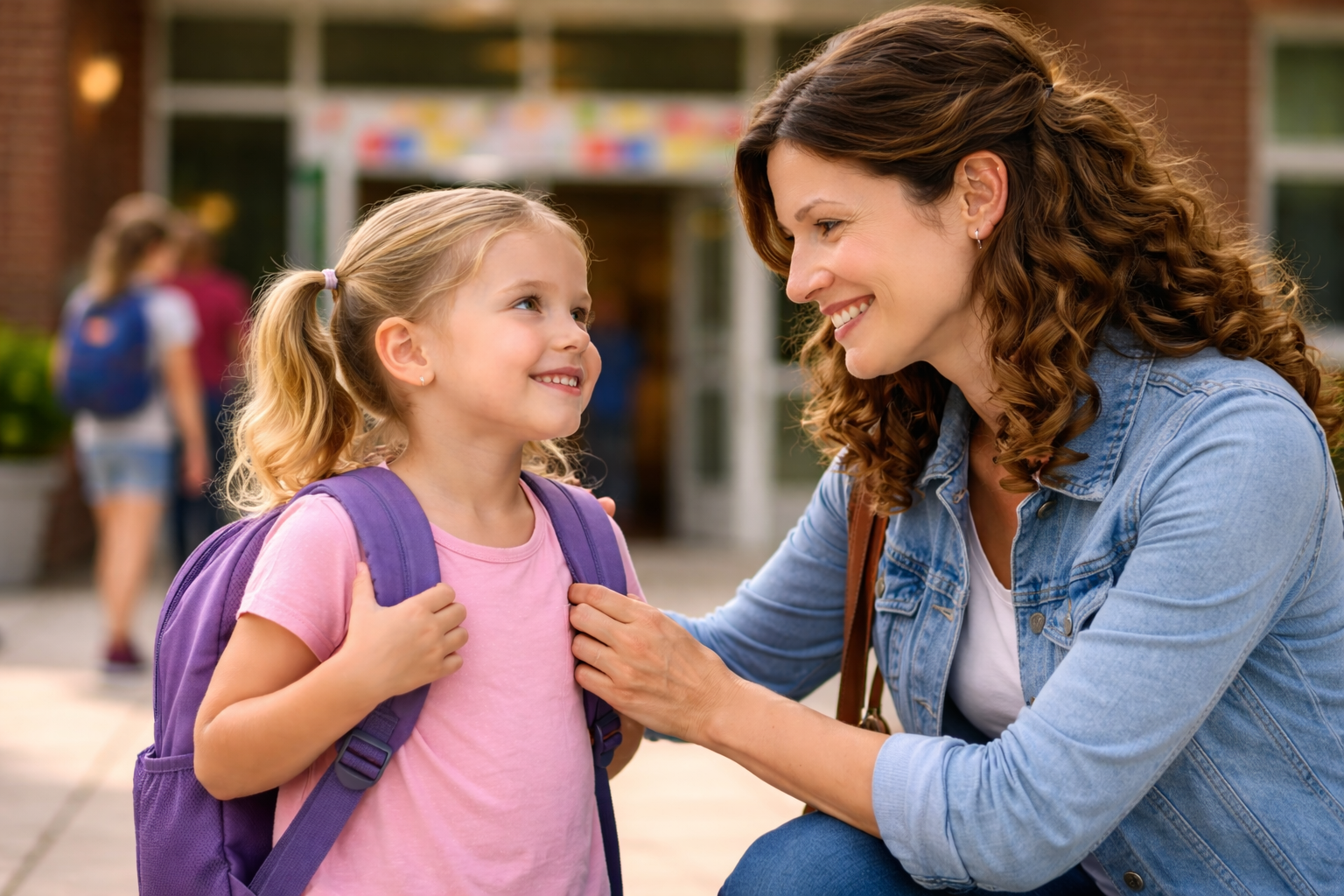
Starting school is a major milestone for children — and for parents too. Whether it’s the first day of preschool or the transition to elementary school, this moment brings excitement, curiosity, and often a mix of nervousness and uncertainty. Helping your child feel confident and prepared can make this transition smoother and more positive.
This article shares practical, non-medical strategies to help your child start school feeling secure, capable, and emotionally ready.
Why Starting School Can Feel Overwhelming
For children, school represents many new experiences at once:
- New adults and authority figures
- New peers and social dynamics
- New routines and expectations
- Separation from familiar caregivers
Even confident children may feel anxious because everything is unfamiliar. Understanding this helps parents respond with empathy instead of pressure.
Confidence Comes from Emotional Safety
Before academic readiness, children need emotional readiness.
A child who feels emotionally safe is more likely to:
- Explore new environments
- Ask for help when needed
- Build friendships
- Handle small challenges
Your reassurance and calm attitude set the emotional tone for this transition.
Talk About School in a Positive, Realistic Way
Conversations about school shape expectations.
Try to:
- Speak positively without exaggeration
- Describe what a typical day might look like
- Acknowledge that it’s okay to feel nervous
Avoid phrases like:
- “You’ll love it immediately”
- “There’s nothing to worry about”
Instead, try:
- “It might feel new at first, and that’s okay.”
- “You’ll learn little by little.”
Visit the School Environment When Possible
Familiarity reduces anxiety.
If possible:
- Walk by the school building
- Visit the playground
- Attend orientation events
- Show photos of the classroom or teacher
Seeing the environment ahead of time helps children feel more prepared.
Practice Separation in Small Steps
If your child isn’t used to being away from you, gradual separation helps.
Examples:
- Short stays with a trusted caregiver
- Playdates without parents present
- Brief goodbyes followed by predictable returns
These experiences teach children that separation is temporary and safe.
Establish Predictable Routines Before School Starts
Routine builds security.
Before school begins, practice:
- Consistent wake-up time
- Morning routines (getting dressed, breakfast)
- Bedtime routines
When the school day starts, the routine already feels familiar.
Encourage Independence in Daily Tasks
Confidence grows when children feel capable.
Encourage skills such as:
- Putting on shoes and jackets
- Using the bathroom independently
- Opening lunch containers
- Cleaning up belongings
These small skills reduce stress and boost self-confidence at school.
Help Your Child Express Feelings
Children may not always say they are nervous — they may show it through behavior.
Create space to talk by asking:
- “How do you feel about starting school?”
- “What are you excited about?”
- “Is there anything you’re wondering about?”
Listen without correcting or minimizing emotions.
Read Books About Starting School
Stories help children process emotions safely.
Choose books that:
- Show children starting school
- Include a range of emotions
- Highlight reassurance and growth
Reading together opens natural conversations.
Practice Social Skills Through Play
School involves sharing space, attention, and materials.
You can practice:
- Taking turns
- Sharing toys
- Asking for help
- Following simple instructions
Role-playing school scenarios through play builds familiarity.
Keep Goodbyes Short and Predictable
Long, emotional goodbyes can increase anxiety.
Aim for:
- A consistent goodbye routine
- A calm, confident tone
- Reassurance followed by leaving
For example:
- “I love you. I’ll pick you up after school. Have a great day.”
Confidence in your goodbye builds confidence in your child.
Trust the Teachers and Share Information
Teachers are partners in this transition.
Share helpful information about:
- Your child’s personality
- Comfort needs
- Strengths and challenges
Open communication builds trust and support.
Avoid Comparing Your Child to Others
Every child adjusts at their own pace.
Avoid:
- Comparing reactions
- Expecting immediate enthusiasm
- Labeling your child as “shy” or “difficult”
Progress matters more than speed.
Support After-School Decompression
School can be emotionally tiring.
After school:
- Allow quiet time
- Avoid too many questions immediately
- Offer comfort and presence
Some children need time to unwind before talking.
Normalize Ups and Downs
Adjustment isn’t linear.
Some days will be easy, others harder. This is normal.
Reassure your child:
- “New things take time.”
- “You’re learning every day.”
Consistency builds confidence.
Your Attitude Shapes Their Experience
Children sense adult emotions.
When you:
- Stay calm
- Show trust in the process
- Express confidence
Your child absorbs that confidence too.
Starting School Is a Journey, Not a Moment
Confidence doesn’t come from one good day — it grows over time.
With support, routine, and emotional safety, children learn that they can handle new environments and challenges.
And that belief stays with them long after the first day of school.