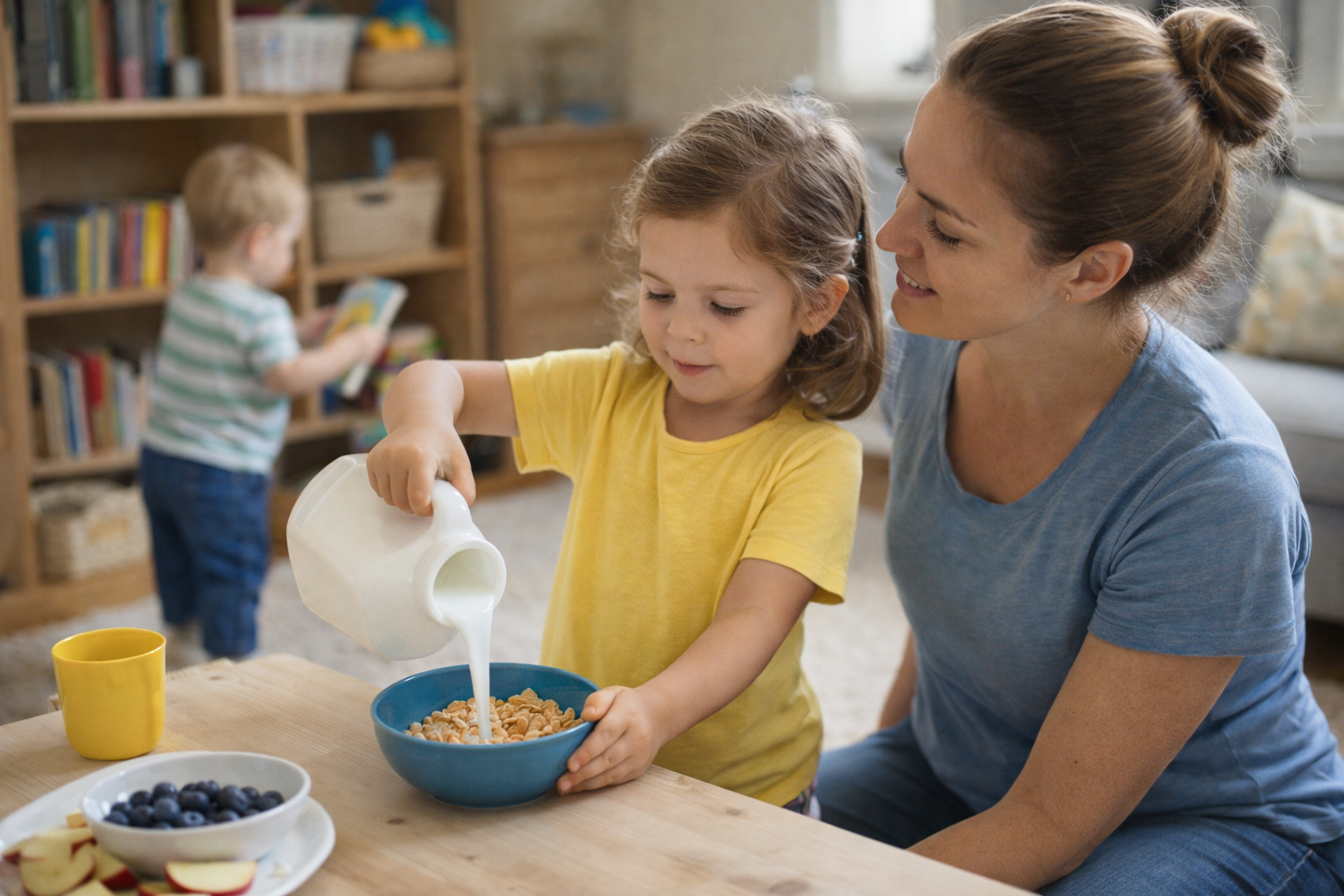
Encouraging independence in children is one of the most important steps in raising confident, capable, and emotionally secure individuals. Independence doesn’t mean doing everything alone or growing up too fast. It means helping children develop the skills, confidence, and decision-making ability they need to navigate life at their own pace.
In this article, you’ll learn practical, age-appropriate ways to encourage independence in children from an early age — using everyday moments, patience, and trust.
Why Independence Matters in Childhood
Independent children tend to:
- Develop higher self-esteem
- Handle challenges with more confidence
- Build problem-solving skills
- Feel capable and trusted
- Become more resilient over time
When children are encouraged to try, fail, and try again, they learn that they are capable — and that belief stays with them for life.
Independence Looks Different at Each Age
Independence is not the same for a toddler and a school-aged child. Understanding what’s appropriate for each stage helps avoid frustration for both parent and child.
Toddlers (Ages 1–3)
- Feeding themselves (even if messy)
- Choosing between two outfits
- Helping put toys away
Preschoolers (Ages 4–5)
- Getting dressed with minimal help
- Brushing teeth with supervision
- Helping with simple household tasks
School-Aged Children (Ages 6–10)
- Managing homework routines
- Packing their backpack
- Making simple snacks
Independence grows gradually, not all at once.
Start by Letting Them Try
One of the biggest barriers to independence is adult impatience. It’s often faster to do things for children — but speed comes at the cost of learning.
Instead:
- Allow extra time for tasks
- Let them struggle a little
- Offer help only when truly needed
When children try on their own, they build confidence — even if the result isn’t perfect.
Offer Choices to Build Confidence
Giving children choices helps them feel in control and respected.
Examples:
- “Do you want to wear the blue shirt or the green one?”
- “Would you like an apple or a banana?”
- “Do you want to do homework before or after your snack?”
These small decisions teach responsibility and decision-making without overwhelming them.
Create an Environment That Supports Independence
Your home setup plays a huge role in how independent your child can be.
Try these adjustments:
- Keep clothes in low drawers
- Use step stools in the bathroom
- Store toys in accessible bins
- Hang hooks at child height
When children can reach what they need, they’re more likely to act independently.
Let Go of Perfection
Independence is messy. Beds won’t be perfectly made. Clothes may not match. Snacks may spill.
Instead of correcting everything:
- Focus on effort, not results
- Praise trying, not perfection
- Resist the urge to redo tasks in front of them
Children notice when their work is “fixed” — and it can discourage future attempts.
Teach Skills in Small Steps
Break tasks into manageable parts:
- Show them once
- Do it together a few times
- Let them try independently
For example, learning to tie shoes or make a sandwich becomes less intimidating when taught step by step.
Encourage Problem-Solving Instead of Rescuing
When children face small challenges, avoid jumping in immediately.
Instead, ask:
- “What do you think you could do?”
- “What have you tried so far?”
- “What might work next time?”
This approach teaches children to think critically and trust their own abilities.
Be Patient with Mistakes
Mistakes are part of learning. When children make them:
- Stay calm
- Avoid criticism
- Focus on solutions
Say things like:
- “That didn’t work, but you tried.”
- “What could we do differently next time?”
This creates a safe space for growth.
Praise Independence the Right Way
Instead of general praise, be specific:
- “You put your shoes on by yourself — great job!”
- “You solved that problem on your own. That’s impressive.”
Specific praise reinforces the behavior you want to see more often.
Balance Independence with Connection
Encouraging independence doesn’t mean withdrawing support. Children still need emotional safety and reassurance.
Let them know:
- You’re nearby if they need help
- It’s okay to ask questions
- You’re proud of their effort
Independence grows best when children feel secure.
Avoid Comparing Your Child to Others
Every child develops at their own pace. Comparing siblings or peers can create pressure and insecurity.
Focus on:
- Your child’s progress
- Their strengths
- Their unique personality
Confidence grows when children feel accepted, not measured.
Daily Opportunities to Encourage Independence
Simple moments matter:
- Let them order their own food
- Encourage them to speak for themselves
- Let them manage small responsibilities
These everyday actions build real-life skills over time.
Independence Builds Strong Foundations
When children learn independence early, they grow into adults who trust themselves, take initiative, and handle challenges with confidence.
Your role isn’t to remove every obstacle — it’s to walk beside them as they learn to navigate the world on their own.
Each small step toward independence is a powerful investment in your child’s future.