How to Help Children Develop a Positive Relationship with Rules and Limits
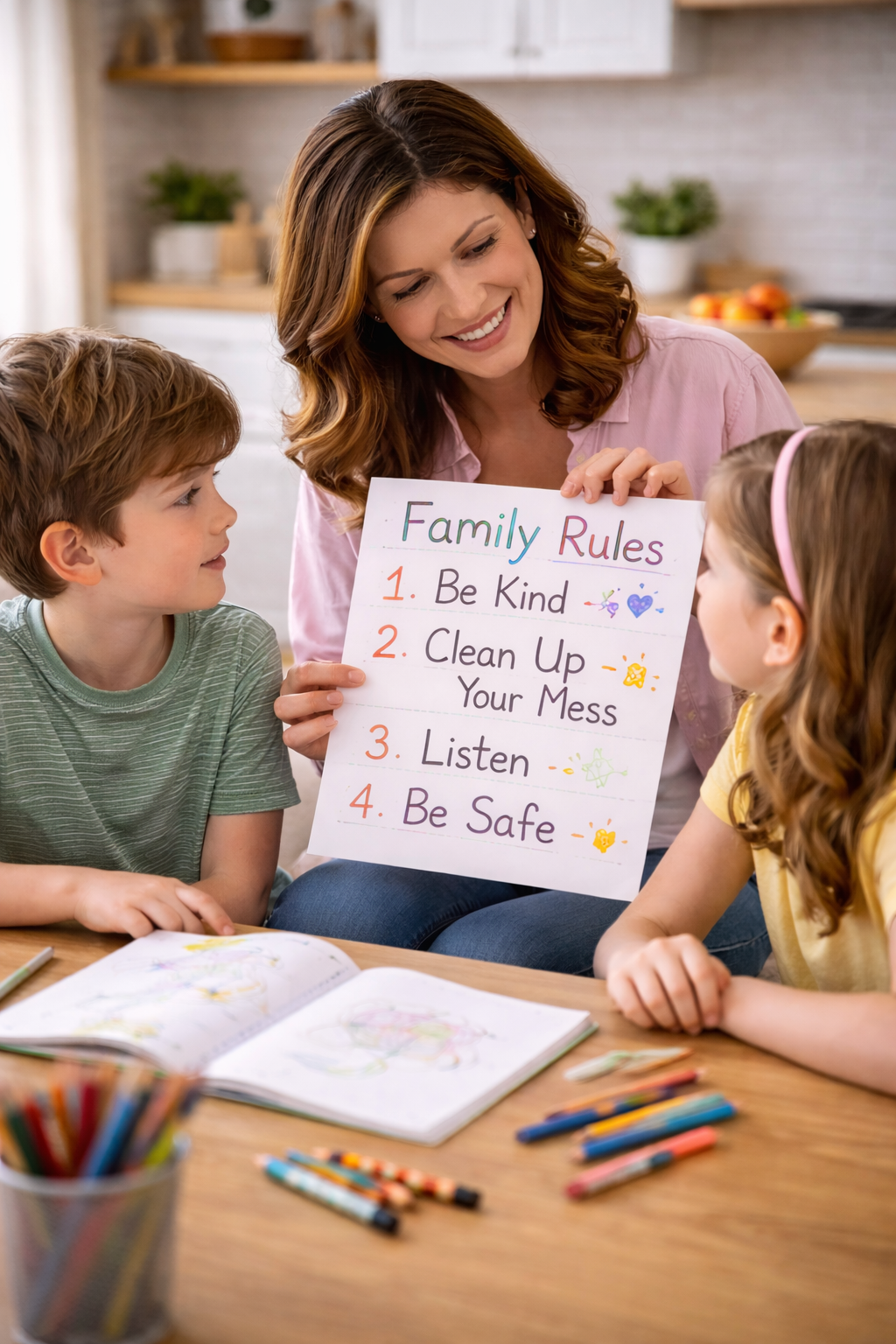
Rules and limits are an essential part of family life, but many children grow to see them as punishments, power struggles, or obstacles to freedom. When rules are imposed with fear, inconsistency, or excessive control, children may resist, rebel, or comply only when supervised. A healthy relationship with rules is different. Children can learn that … Ler mais


How to Teach Children Gratitude in Everyday Life (Without Forcing It)

Gratitude is a powerful life skill. Children who develop gratitude tend to be more resilient, emotionally balanced, and aware of the people and resources around them. However, gratitude cannot be forced, demanded, or taught through lectures. True gratitude grows naturally when children feel emotionally secure, seen, and guided to notice the positive aspects of daily … Ler mais

How to Teach Children to Handle Disappointment in a Healthy Way

Disappointment is an unavoidable part of life. Children experience disappointment when plans change, when they hear “no,” when they lose a game, or when things don’t turn out the way they expected. While these moments can be emotionally intense, they are also powerful opportunities for learning. Children are not born knowing how to handle disappointment. … Ler mais

How to Help Children Build Healthy Self-Esteem Through Daily Experiences

Self-esteem is not something children are born with — it is built gradually through everyday interactions, relationships, and experiences. Healthy self-esteem helps children trust themselves, express who they are, handle challenges, and form positive relationships with others. Contrary to common belief, self-esteem does not grow from constant praise or protecting children from all difficulties. It … Ler mais

How to Help Children Develop Independence Without Feeling Abandoned

Independence is an essential skill for children, but it can be confusing for parents and caregivers to know how much support to give — and when to step back. Too much control can make children feel incapable, while too much distance can make them feel insecure or abandoned. Healthy independence grows when children feel supported, … Ler mais

How to Teach Children to Communicate Their Needs Clearly and Respectfully

One of the most valuable skills a child can learn is how to communicate their needs clearly and respectfully. Many conflicts, meltdowns, and power struggles happen not because children are “misbehaving,” but because they don’t yet know how to express what they need with words. Children are not born knowing how to communicate effectively. This … Ler mais

How to Teach Children Problem-Solving Skills Through Daily Life

Problem-solving is one of the most valuable life skills a child can develop. It helps children face challenges with confidence, think critically, manage frustration, and become more independent over time. Yet many children are not taught how to solve problems — they are simply corrected, rescued, or told what to do. Children don’t learn problem-solving … Ler mais

How to Teach Children Problem-Solving Skills Through Daily Life

Problem-solving is one of the most valuable life skills a child can develop. It helps children face challenges with confidence, think critically, manage frustration, and become more independent over time. Yet many children are not taught how to solve problems — they are simply corrected, rescued, or told what to do. Children don’t learn problem-solving … Ler mais

How to Help Children Develop Confidence Without Pressure or Perfection

Confidence is one of the most valuable traits a child can develop. Confident children are more likely to try new things, handle challenges, express themselves, and recover from setbacks. Yet confidence does not grow from constant praise, pressure to perform, or unrealistic expectations. True confidence grows when children feel safe, capable, and accepted for who … Ler mais