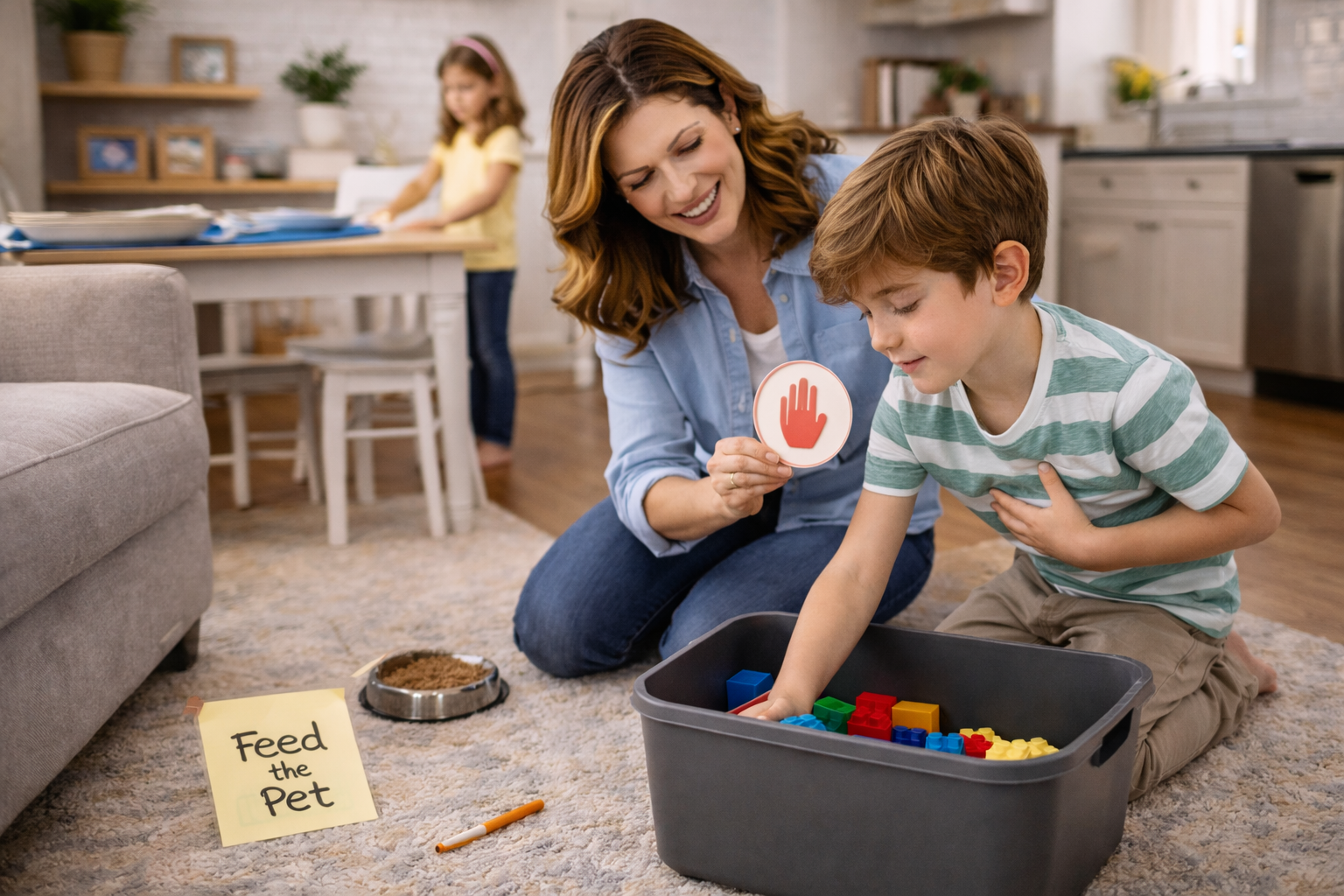
Responsibility is a skill that develops over time, not something children suddenly “have” at a certain age. Many adults want children to be responsible, but when responsibility is taught through pressure, fear, or constant criticism, it often leads to anxiety, avoidance, or rebellion.
Healthy responsibility grows when children feel capable, supported, and trusted. It is not about demanding perfection or adult-level behavior — it is about teaching children how their actions matter and how they can handle them. This article explores practical, non-medical ways to help children develop responsibility without overwhelming pressure.
What Responsibility Means for Children
For children, responsibility means learning to:
- Take care of simple tasks
- Follow through on commitments
- Understand the impact of their actions
- Fix mistakes when they happen
- Gradually manage more independence
Responsibility is learned through experience, not lectures.
Why Too Much Pressure Backfires
When responsibility is taught through pressure:
- Children fear making mistakes
- They avoid trying new things
- They hide errors instead of fixing them
- Motivation becomes external
Pressure creates compliance, not responsibility.
Start With Age-Appropriate Expectations
Children can only be responsible for what matches their development.
Examples:
- Young children: cleaning up toys, putting shoes away
- School-age children: simple chores, managing school items
- Older children: planning homework time, helping with family tasks
Expectations should stretch children — not overwhelm them.
Teach Responsibility Through Routine
Routine supports responsibility naturally.
When tasks happen at the same time every day:
- Children know what’s expected
- Less reminding is needed
- Habits form more easily
Routine turns responsibility into habit.
Give Clear, Simple Instructions
Vague expectations create confusion.
Instead of:
- “Be responsible.”
Try:
- “Put your backpack by the door.”
- “Feed the pet before dinner.”
Clear instructions support success.
Allow Natural Consequences When Safe
Natural consequences teach responsibility better than punishment.
Examples:
- Forgotten items stay at home
- Toys not put away are unavailable later
Natural consequences feel logical and fair.
Avoid Doing for Children What They Can Do Themselves
Helping too much sends the message:
- “You can’t handle this.”
Instead:
- Allow time
- Accept imperfection
- Offer guidance, not takeover
Capability grows through practice.
Focus on Effort, Not Just Results
Responsibility includes trying, not just succeeding.
Notice:
- Attempts
- Follow-through
- Willingness to fix mistakes
Say:
- “You remembered today.”
- “You tried again.”
Specific feedback reinforces learning.
Teach Responsibility as a Shared Process
Responsibility does not mean isolation.
Teach that:
- Help is available
- Questions are allowed
- Learning takes time
Support builds confidence.
Model Responsibility Yourself
Children learn responsibility by watching adults.
Model:
- Following through
- Admitting mistakes
- Fixing errors calmly
Your behavior teaches accountability.
Avoid Using Shame or Labels
Labels like “lazy” or “careless” damage learning.
Focus on behavior, not identity:
- “This wasn’t done yet.”
- “Let’s fix this.”
Respect builds growth.
Let Children Experience Small Failures
Small failures teach big lessons.
Support children by:
- Staying calm
- Allowing learning moments
- Avoiding overreaction
Mistakes are part of responsibility.
Encourage Planning and Preparation
As children grow, planning becomes important.
Teach skills like:
- Preparing the night before
- Making simple lists
- Thinking ahead
Planning supports independence.
Avoid Over-Reminding
Constant reminders prevent ownership.
Gradually:
- Reduce reminders
- Use visual cues
- Let children remember
Ownership grows when adults step back.
Balance Support and Expectation
Responsibility grows when adults:
- Support emotionally
- Expect follow-through
- Stay consistent
Both elements matter.
Adjust Responsibility Over Time
As children mature:
- Increase responsibility gradually
- Remove unnecessary control
- Offer more trust
Growth requires adjustment.
Praise Responsibility Thoughtfully
Avoid exaggerated praise.
Instead, be specific:
- “You followed through.”
- “You fixed the mistake.”
Authentic feedback builds internal motivation.
Responsibility Builds Confidence
Children who feel capable develop:
- Confidence
- Independence
- Problem-solving skills
Responsibility supports self-esteem.
Teaching Responsibility Is a Long-Term Process
There is no quick fix.
Responsibility develops through:
- Daily practice
- Guidance
- Patience
Progress matters more than speed.
Raising Responsible Children Without Pressure
Children don’t need pressure to become responsible.
They need adults who:
- Trust them
- Guide them
- Allow learning
By teaching responsibility with empathy and structure, you help children grow into capable individuals who can handle challenges without fear.
And that skill stays with them for life.