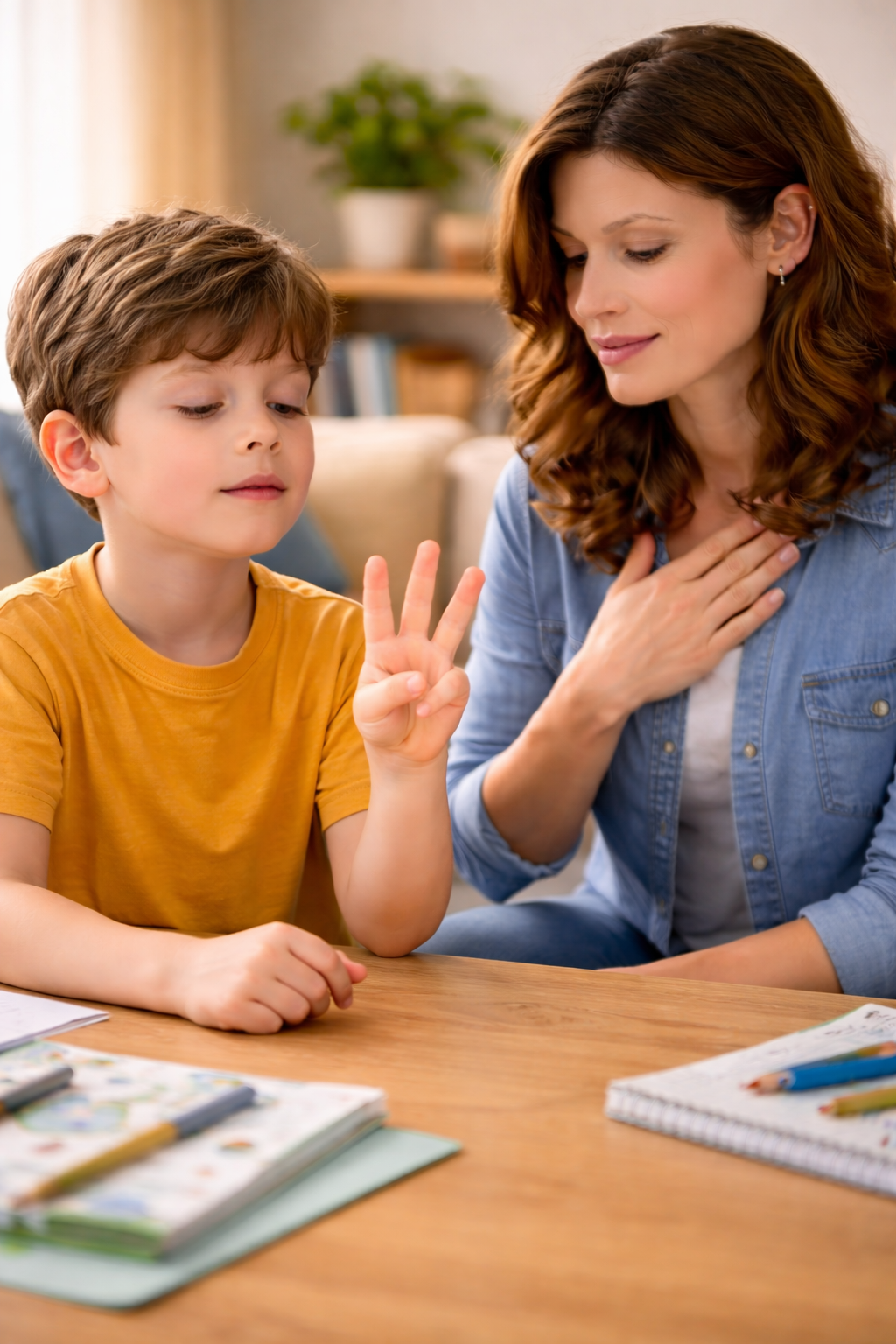
Self-control is a skill that takes years to develop. Children are not born knowing how to wait, pause, or manage impulses — these abilities are built gradually through guidance, repetition, and supportive environments.
Helping children develop self-control does not mean demanding silence, obedience, or emotional suppression. It means teaching them how to pause, think, and choose their actions with support from adults. This article explores practical, non-medical ways to support self-control in children during everyday life.
What Self-Control Really Means for Children
Self-control is the ability to:
- Pause before acting
- Manage impulses
- Follow rules even when emotions are strong
- Make thoughtful choices
For children, self-control is still developing because the brain systems responsible for regulation mature slowly over time.
Struggling with self-control is not misbehavior — it is part of learning.
Why Self-Control Is So Challenging for Kids
Children experience strong emotions with limited regulation skills.
Common challenges include:
- Interrupting conversations
- Acting before thinking
- Difficulty waiting
- Emotional outbursts
- Trouble following limits
These behaviors reflect development, not defiance.
Self-Control Grows Through Support, Not Pressure
Children learn self-control best when adults:
- Stay calm
- Provide structure
- Offer guidance instead of punishment
Harsh reactions can overwhelm children and make regulation harder, not easier.
Create Predictable Routines
Routines reduce the need for constant self-control.
Predictability helps children:
- Know what comes next
- Feel safer
- Use less emotional energy
When life is predictable, regulation becomes easier.
Set Clear and Simple Expectations
Children manage themselves better when expectations are clear.
Instead of vague rules, use:
- “We walk inside.”
- “We use gentle hands.”
- “We wait our turn.”
Simple rules are easier to remember and follow.
Teach the Pause
One of the most important self-control skills is learning to pause.
You can teach this by:
- Taking a breath together
- Counting slowly
- Pausing before responding
Practice during calm moments so the skill is available during stress.
Validate Emotions While Guiding Behavior
Children need to know that emotions are okay — actions still need guidance.
For example:
- “I know you’re angry. We don’t hit.”
- “You’re excited. Let’s slow down.”
Validation helps emotions settle so self-control can grow.
Use Natural Consequences When Possible
Natural consequences help children connect actions to outcomes.
Examples:
- Running indoors leads to stopping the activity
- Grabbing toys ends the game
Natural consequences teach without shaming.
Break Expectations Into Small Steps
Large expectations overwhelm children.
Instead of:
- “Behave yourself”
Try:
- “Sit here.”
- “Keep your hands on your lap.”
- “Use a quiet voice.”
Small steps support success.
Model Self-Control Yourself
Children learn regulation by observing adults.
Model:
- Pausing before reacting
- Managing frustration calmly
- Using respectful language
Your behavior is their most powerful teacher.
Practice Self-Control Through Play
Play offers safe opportunities to practice regulation.
Helpful activities include:
- Board games
- Turn-taking games
- Role-playing
- Simon Says–style games
Play builds skills without pressure.
Reduce Overstimulation
Overstimulated children struggle with self-control.
Support regulation by:
- Limiting noise
- Reducing screen exposure
- Creating quiet moments
Calm environments support calm behavior.
Prepare Children for Challenging Moments
Preparation reduces impulsive reactions.
Before transitions, say:
- “We’re leaving in five minutes.”
- “Remember, we wait our turn.”
Preparation builds awareness.
Avoid Shaming or Labeling
Labels harm self-control development.
Avoid:
- “You’re out of control.”
- “You never listen.”
Focus on guidance, not identity.
Teach Language for Self-Regulation
Give children words they can use internally:
- “I can wait.”
- “I can calm my body.”
- “I need help.”
Language supports regulation.
Be Patient With Repetition
Self-control develops slowly.
Children will:
- Forget
- Struggle
- Need reminders
Consistency matters more than speed.
Adjust Expectations to Age
Younger children need more support and fewer demands.
As children grow:
- Increase expectations gradually
- Offer more independence
- Continue guidance
Growth happens step by step.
Self-Control Builds Confidence
When children learn to manage themselves, confidence grows.
They begin to believe:
- “I can handle this.”
- “I can make good choices.”
This belief strengthens behavior over time.
Teaching Self-Control Is a Long-Term Gift
Self-control is not about obedience — it’s about empowerment.
By guiding children with patience, structure, and empathy, you help them build skills that support learning, relationships, and emotional well-being throughout life.
And those skills are built one moment at a time.