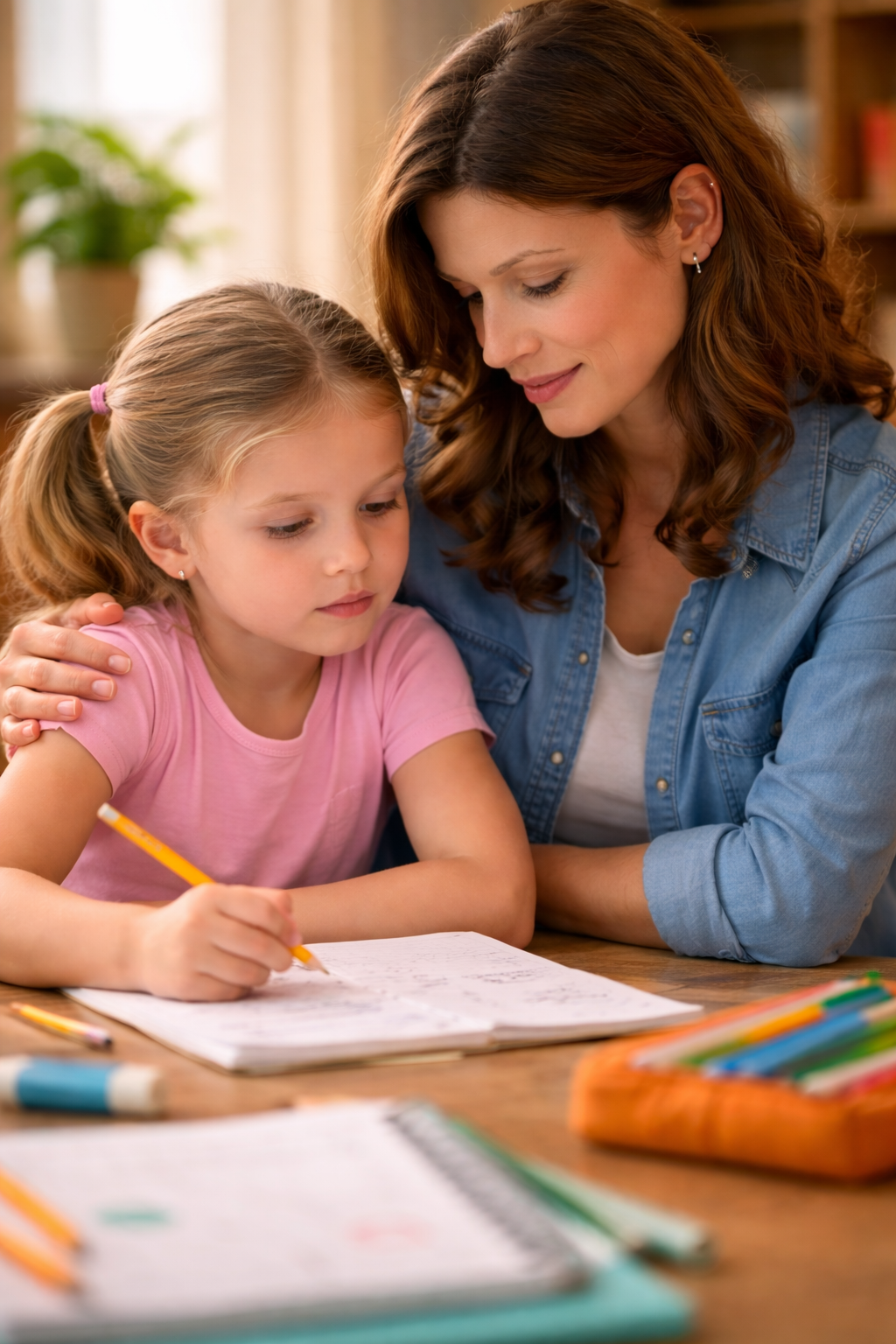
Making mistakes is an essential part of learning — but for many children, mistakes feel uncomfortable, embarrassing, or even frightening. In a world that often praises success and speed, children may grow afraid of failing, trying new things, or getting something wrong.
As parents and caregivers, one of the greatest gifts we can give children is teaching them that mistakes are normal, manageable, and valuable. This article explores practical, non-medical ways to help children handle mistakes calmly and learn from failure with confidence and resilience.
Why Mistakes Feel So Big to Children
Children are still developing their sense of self. When something goes wrong, they may interpret it as:
- “I’m bad”
- “I’m not smart”
- “I can’t do this”
- “People will be upset with me”
Mistakes often feel personal rather than situational. Understanding this emotional layer helps adults respond with empathy instead of pressure.
Failure Is Part of Healthy Development
Children learn through trial and error. Every skill — walking, talking, reading, riding a bike — involves repeated failure before success.
When children are allowed to fail safely, they learn:
- Persistence
- Problem-solving
- Emotional regulation
- Self-trust
- Flexibility
Avoiding failure doesn’t protect children — it limits their growth.
Separate the Child from the Mistake
One of the most important lessons is that a mistake is something a child does, not who they are.
Use language that separates identity from behavior:
- Instead of “You’re careless,” say “That was a mistake.”
- Instead of “You always mess up,” say “That didn’t work this time.”
This protects self-esteem and encourages learning.
Stay Calm When Mistakes Happen
Adult reactions shape how children experience failure.
When adults react with anger, frustration, or disappointment, children may:
- Hide mistakes
- Avoid trying
- Lie to avoid consequences
Respond calmly by:
- Pausing before reacting
- Using a neutral tone
- Focusing on solutions, not blame
Your calm response teaches emotional safety.
Validate Feelings First
Before teaching a lesson, acknowledge the emotion.
Say things like:
- “That’s frustrating.”
- “I see you’re disappointed.”
- “It’s hard when things don’t work.”
Validation helps children feel understood and reduces emotional overwhelm.
Ask Reflective Questions Instead of Giving Lectures
Once emotions settle, guide learning with questions:
- “What do you think happened?”
- “What could we try next time?”
- “What did you learn from this?”
Questions encourage thinking and ownership rather than defensiveness.
Teach That Everyone Makes Mistakes
Children often believe they are the only ones who struggle.
Normalize mistakes by:
- Sharing your own (age-appropriate) mistakes
- Talking about learning processes
- Emphasizing effort over results
Hearing “I make mistakes too” reduces shame.
Focus on Effort and Process
When praise focuses only on success, children may avoid challenges.
Shift praise toward:
- Effort
- Persistence
- Strategies used
Examples:
- “You kept trying even when it was hard.”
- “You didn’t give up.”
This builds a growth-oriented mindset.
Avoid Rescuing Too Quickly
It’s tempting to step in immediately when children struggle.
Instead:
- Pause before helping
- Encourage problem-solving
- Offer support without taking over
Struggle is where learning happens.
Teach Repair After Mistakes
Mistakes are opportunities to learn responsibility and repair.
Teach children to:
- Acknowledge the mistake
- Apologize if needed
- Fix what they can
- Try again
Repair builds accountability without shame.
Help Children Tolerate Discomfort
Learning from failure requires tolerating uncomfortable emotions.
Support this by:
- Staying nearby
- Naming emotions
- Encouraging calming strategies
Avoid rushing to “make it better.” Emotional tolerance is a skill.
Use Everyday Situations as Learning Moments
Mistakes happen daily:
- Spilling something
- Forgetting homework
- Losing a game
- Breaking a rule
Treat these moments as practice, not crises.
Model Healthy Responses to Your Own Mistakes
Children learn by watching.
Model:
- Admitting mistakes
- Apologizing
- Laughing at small errors
- Trying again calmly
Your behavior teaches resilience more powerfully than words.
Avoid Punishing Honest Mistakes
Punishment for mistakes can create fear and secrecy.
Instead:
- Focus on learning
- Use natural consequences when appropriate
- Separate mistakes from intentional misbehavior
Children who feel safe admitting mistakes learn faster.
Teach Language That Supports Learning
Give children phrases they can use internally:
- “I can try again.”
- “I’m learning.”
- “Mistakes help me grow.”
Language shapes mindset.
Be Patient with Repeated Mistakes
Learning is not linear. Children may repeat the same mistake many times.
Respond with:
- Consistency
- Calm reminders
- Encouragement
Progress matters more than speed.
Create a Home Where Mistakes Are Safe
A safe learning environment includes:
- Respectful communication
- Predictable reactions
- Emotional support
Children take healthy risks when they feel safe.
Failure Builds Strength When Handled Well
Failure doesn’t weaken children — avoiding failure does.
With support, children learn that:
- Mistakes are temporary
- Effort matters
- Growth is possible
These lessons build long-term confidence.
Raising Resilient Learners
Children who learn to handle mistakes grow into adults who:
- Try new things
- Handle challenges
- Learn from feedback
- Trust themselves
And that begins at home, one mistake at a time.