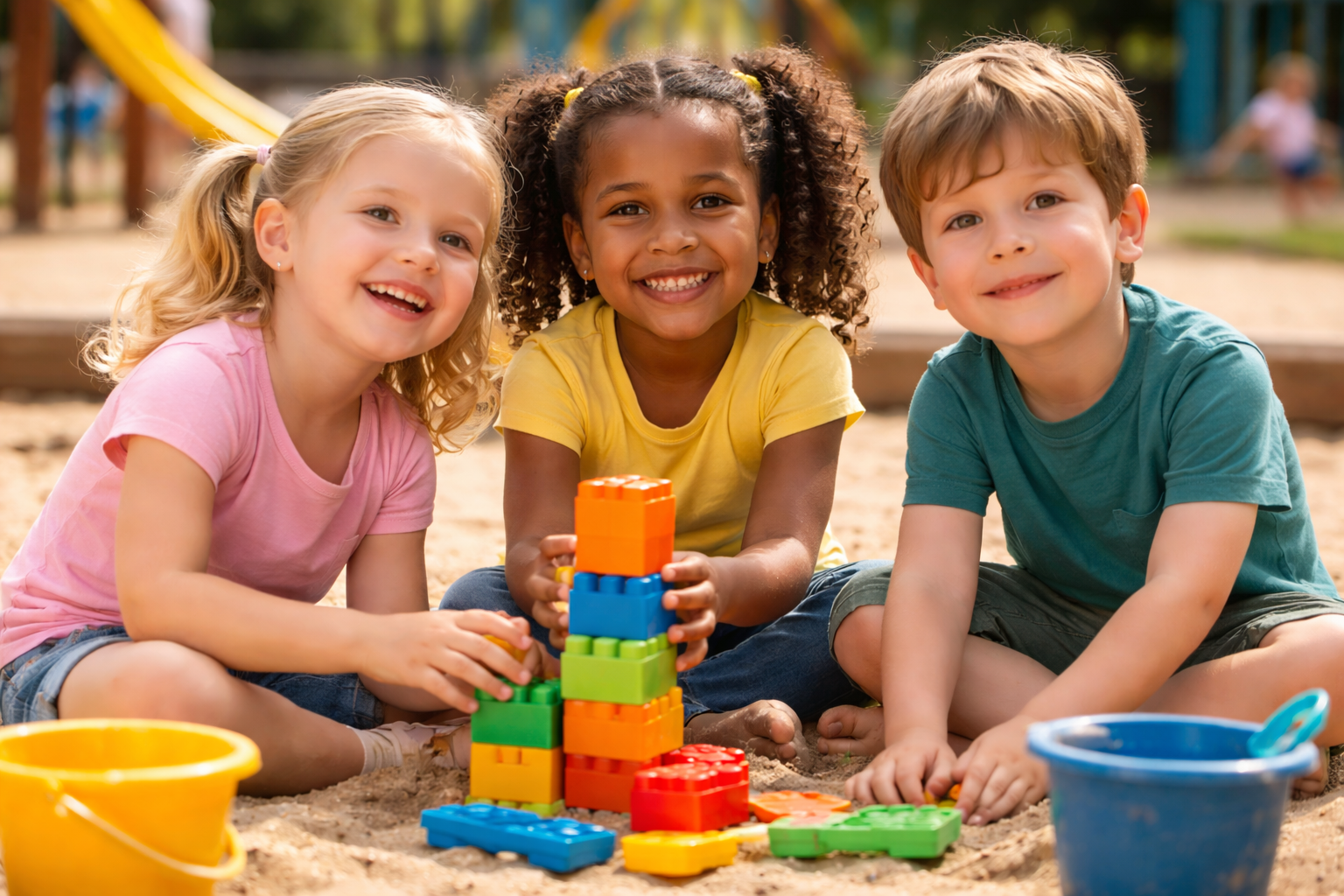
Friendships play a major role in a child’s emotional and social development. Through friendships, children learn cooperation, empathy, communication, and conflict resolution. They also experience joy, belonging, and sometimes disappointment — all essential parts of growing up.
Helping your child build healthy friendships doesn’t mean choosing friends for them or stepping in at every conflict. It means guiding, supporting, and teaching social skills that allow relationships to grow naturally and safely.
This article offers practical, everyday strategies to help children develop strong, healthy friendships.
Why Friendships Matter So Much in Childhood
Friendships help children:
- Feel a sense of belonging
- Develop social confidence
- Learn to share and cooperate
- Practice emotional regulation
- Build empathy and respect
Positive friendships support emotional well-being and self-esteem, while difficult social experiences help children learn resilience when supported properly.
Every Child Is Social in Their Own Way
Not all children make friends the same way.
Some children:
- Make friends quickly
- Prefer one close friend
- Enjoy group play
- Need time to warm up
There is no “right” way to be social. Respecting your child’s temperament is essential to building confidence.
Create Opportunities for Social Interaction
Friendships grow through shared experiences.
You can support this by:
- Arranging playdates
- Encouraging group activities
- Visiting playgrounds regularly
- Supporting extracurricular interests
Low-pressure opportunities allow friendships to form naturally.
Teach Basic Social Skills at Home
Many social skills must be learned and practiced.
Help your child practice:
- Taking turns
- Sharing
- Listening
- Using polite words
- Respecting personal space
Role-playing at home can make these skills feel familiar and safe.
Talk About What Makes a Good Friend
Children benefit from understanding what healthy friendships look like.
Discuss qualities such as:
- Kindness
- Honesty
- Respect
- Taking turns
- Supporting each other
These conversations help children recognize positive relationships.
Encourage Empathy and Perspective-Taking
Friendships require understanding others’ feelings.
Ask questions like:
- “How do you think your friend felt?”
- “What could help them feel better?”
- “What would you want if you were them?”
This builds emotional intelligence and social awareness.
Avoid Forcing Friendships
Not every interaction will turn into a friendship — and that’s okay.
Avoid:
- Pushing children to play with specific peers
- Labeling children as “best friends” too early
- Comparing friendships
Allow your child to choose connections that feel right to them.
Support Without Taking Over
When friendship challenges arise, resist the urge to immediately fix the problem.
Instead:
- Listen calmly
- Validate feelings
- Ask guiding questions
This helps children learn to navigate relationships independently.
Teach Healthy Boundaries
Friendships should feel safe and respectful.
Help your child learn to:
- Say no
- Respect others’ limits
- Walk away from unkind behavior
Boundaries are an essential part of healthy relationships.
Handle Conflicts as Learning Opportunities
Conflicts are normal in friendships.
Use them to teach:
- Problem-solving
- Apologizing
- Compromise
- Emotional regulation
Avoid assigning blame. Focus on learning and repair.
Model Healthy Friendships Yourself
Children learn by observing adults.
Model:
- Respectful communication
- Resolving disagreements calmly
- Supporting friends
Your relationships set an example.
Avoid Labeling Your Child
Labels like “shy” or “antisocial” can limit confidence.
Instead:
- Describe behavior neutrally
- Focus on growth
- Encourage progress
Language shapes self-image.
Help Your Child Cope with Rejection
Not every friendship works out.
Support your child by:
- Validating their feelings
- Reassuring their worth
- Encouraging other connections
Rejection hurts, but it also builds resilience when handled with care.
Encourage Inclusion and Kindness
Teach your child to:
- Include others
- Notice when someone feels left out
- Act with kindness
Inclusive behavior strengthens social skills and empathy.
Respect Your Child’s Social Pace
Some children need more time.
Avoid rushing:
- Social growth
- Emotional readiness
- Relationship depth
Confidence grows when children feel accepted.
When to Pay Attention
If your child consistently struggles socially, focus first on support and skill-building rather than labeling or pressure.
Small steps matter.
Friendships Are a Learning Journey
Friendships change over time — and that’s normal.
Each experience teaches:
- Emotional awareness
- Communication
- Resilience
Your role is to guide, not control.
Helping Children Build Strong Social Foundations
Healthy friendships don’t come from perfection. They grow from empathy, communication, and emotional safety.
By supporting your child’s social development with patience and respect, you help them build relationships that enrich their lives — now and in the future.